Shopify migration · 0 lostShopify migration · 5 delivered · 0 products lost
Migrate to Shopify without
losing products, URLs or rankings.
Most migrations lose something — a product line nobody notices for six weeks, the category page that was ranking, the customer history. We count every product in and every product out, and hand you the reconciliation that proves it.
- platform migrations delivered
- 5platform migrations delivered
- products moved in a single cutover
- 6,965products moved in a single cutover
- storefronts built, rebuilt or rescued
- 14storefronts built, rebuilt or rescued
- products or categories lost in transit
- 0products or categories lost in transit
Why people put this off
A migration that goes wrong doesn't look wrong
That's what makes it expensive. The new store launches, the homepage looks great, everyone congratulates each other — and the damage surfaces weeks later, when it's hard to trace and harder to undo.
The products that quietly never arrive
A whole line doesn't make it across. The homepage looks perfect, so nobody checks. You find out six weeks later when a customer asks for something — or when that category's revenue simply never comes back.
The rankings you spent years earning
Old URLs 404 instead of redirecting. Google drops the pages, and traffic you were getting for free disappears. Winning it back takes far longer than the migration ever did.
The month you spend firefighting
Orders that don't reach the warehouse. Stock that says available when it isn't. An export that no longer balances. The store launched; the business didn't.
All three are preventable.None of them are prevented by default.
How we prevent it
We count everything, twice
Not a methodology. Three concrete steps that turn “it looks fine” into “here are the numbers”.
- 01
We count what you have first
Before anything moves, we inventory the source: every product, variant, collection, image and URL. On stores with no usable export we reconstruct it from the live site — that's how we found thousands of products sitting in categories nothing linked to.
Gift4Soul: 6,965 products recovered from a site with no export
- 02
We rebuild the structure, not just the rows
Collections, hierarchy and navigation are recreated to match, and every existing URL is mapped to its new home with a 301. We don't redesign your information architecture and change platform at the same time — that's what actually kills rankings.
Every URL mapped before launch, not after
- 03
We count again, and show you the numbers
After import we re-run the same count against Shopify and compare it to the source, category by category, until the two agree exactly. You get that reconciliation. If the numbers don't match, it isn't finished.
0 products or categories lost across 5 migrations
Our commitment
Every migration ships with a reconciliation report
Product counts, collection membership and URL mappings, old store beside new. If a number doesn't match, the migration isn't finished — that's not a favour we do, it's what finished means.
- Counted before, counted after, compared category by category
- Every source URL mapped to a destination, checked before launch
- You keep the report whether or not you keep working with us
Migrations delivered
Off 4 different platforms, onto Shopify
Most agencies have done WooCommerce and stop there. The awkward sources — legacy Magento, obscure carts, bespoke systems with no export — are where migrations quietly lose products.
Including 2 separate Magento 2 stores moved to Shopify Plus
- Magento 2Shopify Plus
Drum Center of Portsmouth
~70,000 SKUs, Brightpearl ERP retained
- Bespoke PHPShopify
Gift4Soul
6,965 products, 165 collections
- WooCommerceShopify
Rina Judaica
- EasyCartShopify
M-36 Coffee Roasters
- Magento 2Shopify Plus
The Suit Depot
Stores we've built, rebuilt or rescued
- Drum Center of Portsmouth
- The Suit Depot
- Shaya Jewelry
- Back2Africa
- Limor Ben Yosef
- Gadgetline
- Papernet
- Oz Logistics
- MaxBites
- Duocouture
The work
Real storefronts, live right now
Every one of these is a site you can open and click around. That's a more useful test of whether we can help you than anything we could write about ourselves.
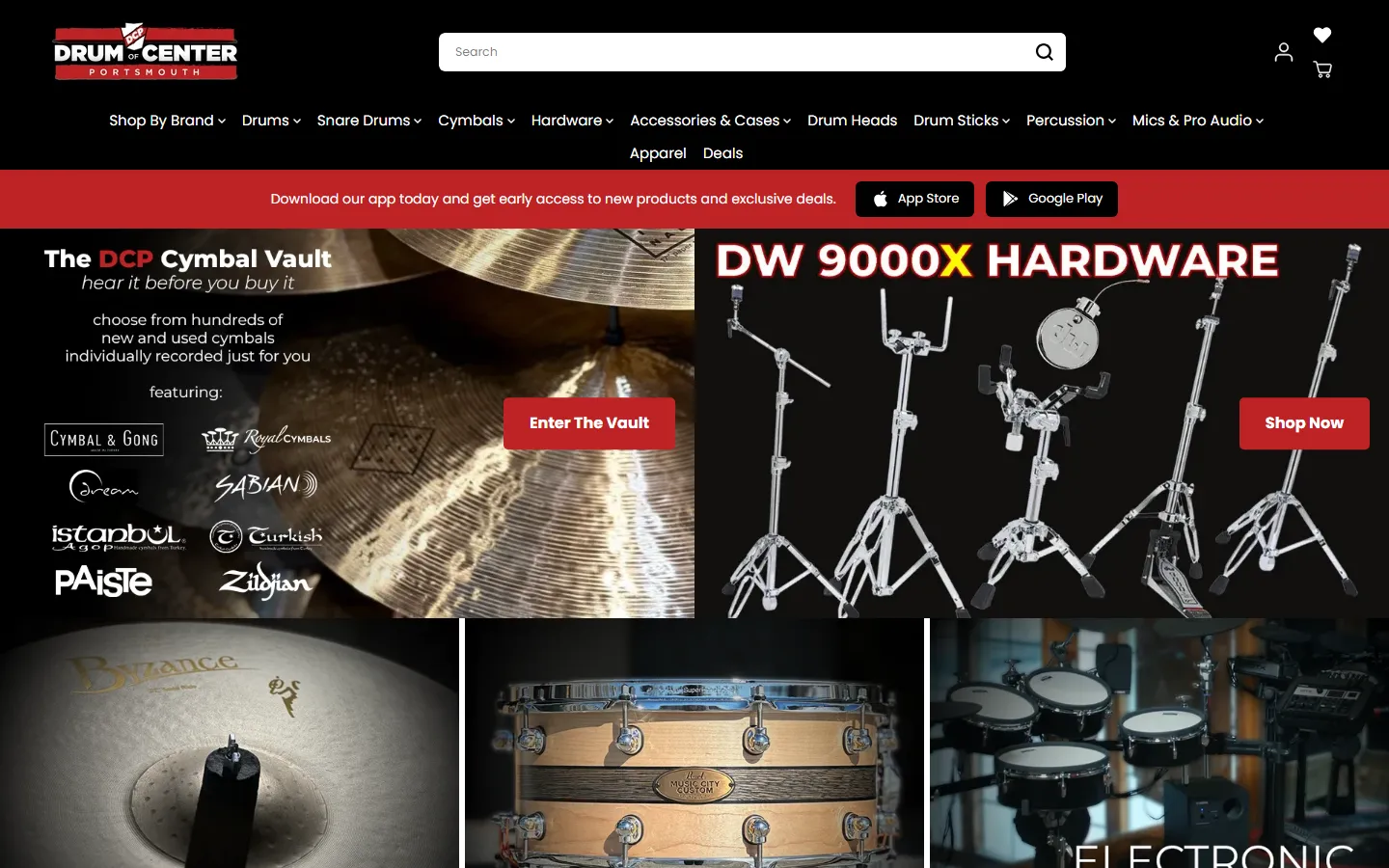
Drum Center of Portsmouth
70,000-SKU replatform, ERP integration, stock automation
Shopify Plus
The Suit Depot
Migrated to Shopify Plus, then conversion and catalogue work
Shopify Plus
Shaya Jewelry
Conversion optimisation and homepage rebuild
Shopify
Back2Africa
Tiered wholesale pricing and theme development
Shopify
Limor Ben Yosef
Full site redesign and custom mega-menu build
WordPress
Gadgetline
CRO, free-shipping bar, search and stock fixes
Shopify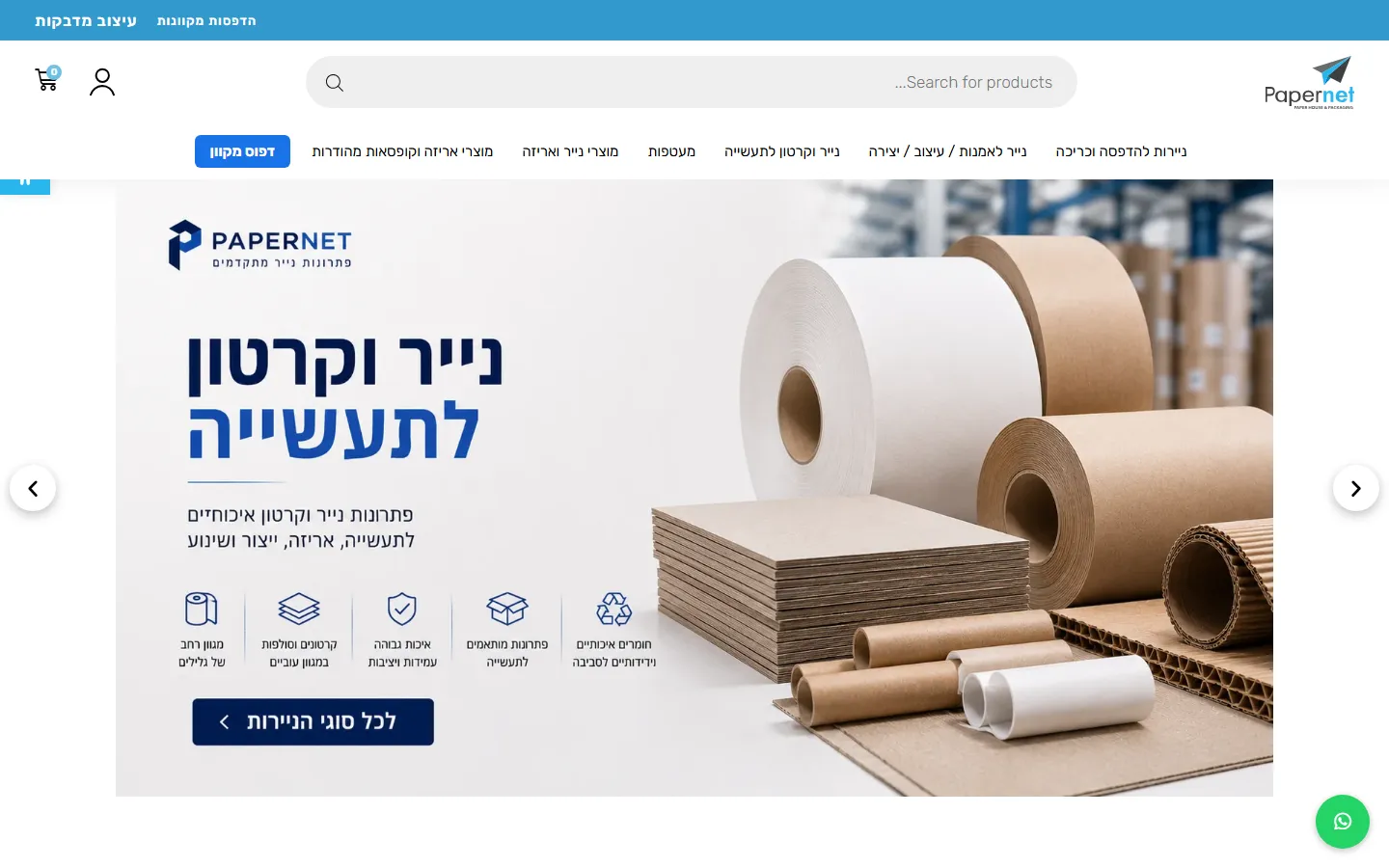
Papernet
Full site upgrade and a custom in-browser design app
WooCommerce
Oz Logistics
Order relay between merchant storefronts and warehouse systems
WordPress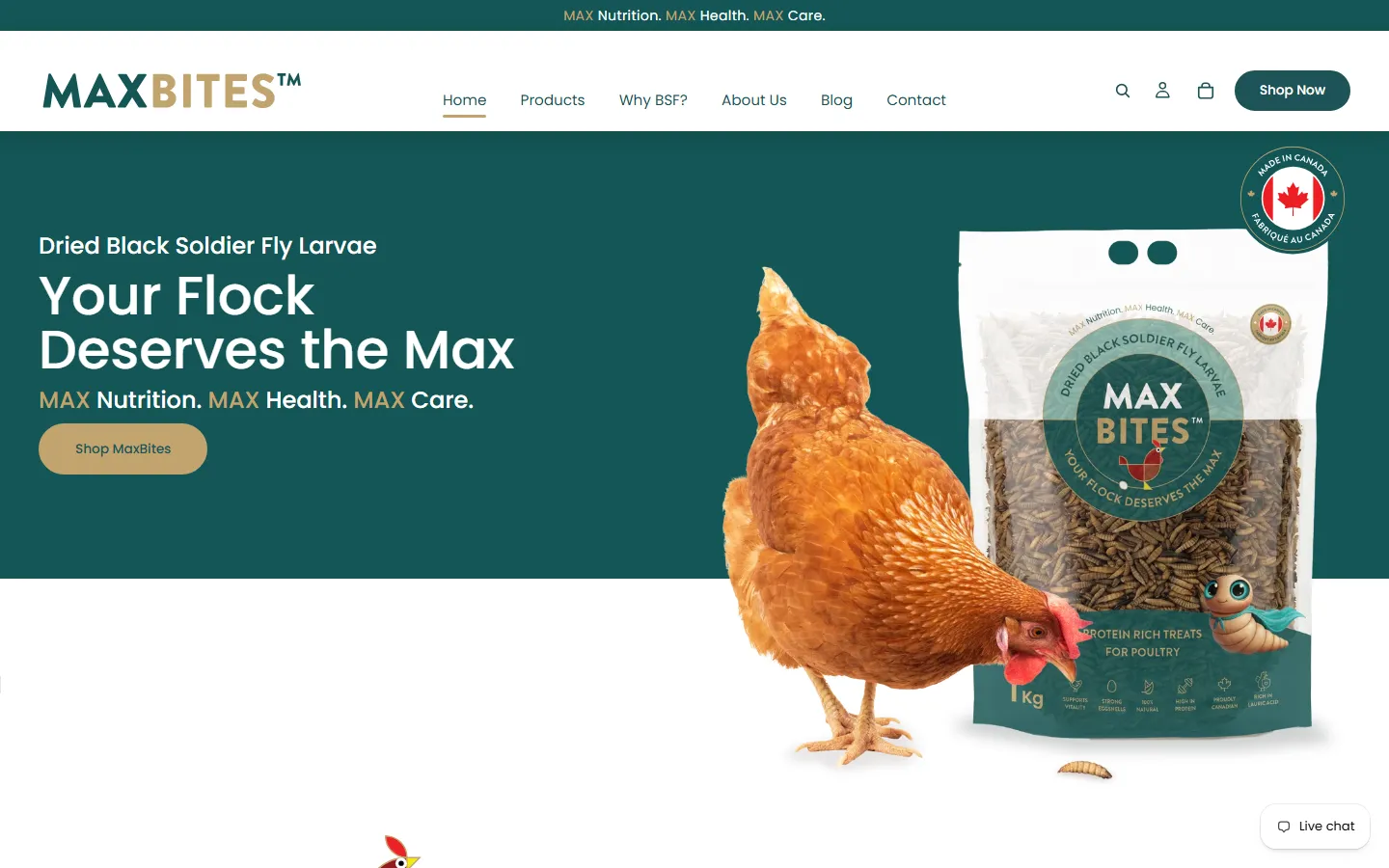
MaxBites
Storefront build for a direct-to-consumer launch
Shopify
Rina Judaica
Migrated from WooCommerce to Shopify
Shopify
Inca Foods
Launch build and catalogue setup
ShopifyThe other half
Automation that runs without anyone watching
A storefront is half the business. The expensive half is usually behind it — the manual re-keying between systems, the reconciliation somebody does every week, the report rebuilt every Monday.
Oz Logistics
WMS integration
Shopify and WooCommerce orders relayed into a warehouse management system automatically, matched by barcode with a SKU fallback. A reconciliation sweep proves nothing was silently dropped, and a heartbeat means a stopped relay is noticed in minutes.
Genesis
Office automation
Incoming enquiries at a real-estate firm are read, classified and filed into the CRM automatically, with two-layer de-duplication so the same lead arriving twice doesn't become two records and two phone calls.
The Suit Depot
Scheduled merchandising & reporting
Sales that start and end on their own, without somebody logging in at midnight to flip prices and again to put them back. Trading reports assemble and deliver themselves on a schedule instead of being rebuilt by hand each week.
Accounting practice software
Custom software
A purpose-built system for an accounting practice, replacing the spreadsheet-and-inbox workflow that client work was being tracked through.
Drum Center of Portsmouth
Merchandising automation
Across roughly 70,000 products: stock availability, discount-code exemption and shipping-profile rules are all derived from the source of truth and written back to the storefront on a schedule. Merchandising rules apply themselves, and a nightly sweep catches anything an app puts in the wrong profile.
Services
What you can hire us for
Fixed scope, fixed price, a date. Prices are starting points for a typical project — you get a real number after a 30-minute call, not a proposal three weeks later.
Shopify migration
You're on WooCommerce, Magento or something custom
Your whole catalogue moved to Shopify with the product counts reconciled against the old store and every URL redirected, so you don't lose rankings.
- Full catalogue, variants, images and collections
- Customer and order history
- 301 redirect map for every existing URL
- Reconciliation report proving nothing was dropped
Magento 2 and Shopify Plus migrations typically start around $18,000.
Conversion sprint
Traffic is fine, sales aren't
A fixed three-week pass over your funnel using your real session data. We fix what's measurably costing you orders, then show you the before and after.
- Funnel and checkout analysis on your own data
- Product page restructure
- Search, filtering and out-of-stock handling
- Before/after measurement
Theme build or rebuild
Your store looks dated or loads slowly
A new storefront, or a rescue of a theme nobody wants to touch. Performance treated as a feature, not an afterthought — the target is under a second.
- Custom sections your team can actually use
- Core Web Vitals work
- App bloat audit and removal
- Staging preview before anything goes live
Custom integration
Your systems don't talk to each other
ERP, accounting, 3PL, carriers, marketplaces, POS. Built to survive rate limits and outages, and to make failure loud instead of silent.
- Two-way sync with your system of record
- Retry and rate-limit handling
- Monitoring and failure alerts
- Documentation you keep
Automation audit
Your team repeats the same work every week
We map what your people actually repeat, cost each one honestly, and tell you which are worth automating — including the ones that aren't.
- Written findings document, yours to keep
- Hours-and-cost estimate per task
- Payback ranking, highest return first
- Fixed quote for whatever you choose to build
Ongoing development
You need steady capacity without hiring
A monthly retainer with the same engineer every month and a shared backlog. Predictable throughput instead of a queue behind an agency's bigger clients.
- Agreed hours every month
- Shared, prioritised backlog
- Direct access — no account manager
- Monitoring of everything we've built
Not sure which of these you need? That's what the first call is for.Book one.
In detail
Three of them, written up in full
Rebuilding a 7,000-SKU catalogue from a site that had no export
A 20-year-old custom PHP store with no usable export and hundreds of unlinked category pages. We reconstructed the entire catalogue by crawling the live site, then rebuilt it on Shopify — 6,965 products and 165 collections, structure intact.
- products migrated
- 6,965products migrated
- collections rebuilt
- 165collections rebuilt
- categories lost in transit
- 0categories lost in transit
Magento 2 to Shopify Plus, with the ERP left in charge
A high-SKU retailer running Magento 2 on top of Brightpearl. We moved the storefront to Shopify Plus and rebuilt the ERP integration around it — so the catalogue, pricing and fulfilment stayed authoritative in Brightpearl while the store got faster and cheaper to run.
Read the case studyThe order relay that stopped losing orders
A logistics operator was reconciling orders between merchant storefronts and carrier systems by hand. We built a relay that pushes orders automatically, survives rate limits and outages, and — the hard part — proves nothing was silently dropped.
- unattended in production
- 24/7unattended in production
- silent drops after the sweep shipped
- 0silent drops after the sweep shipped
Why teams call us
The difference is in what happens after launch
You talk to the person writing the code
No account manager relaying your requirements to a developer you never meet. The person who scopes it is the person who builds it and the person who answers when something breaks.
We prove it, we don't assert it
A migration isn't finished because the site loads. It's finished when the product counts, collection membership and URL structure reconcile against the old store. We do that pass every time.
Automation is a service, not an upsell
Most ecommerce shops stop at the storefront. The expensive problem is usually behind it — the manual reconciliation, the copy-paste between systems, the report somebody rebuilds every Monday.
We're happy to tell you not to build it
Some things aren't worth automating and some rebuilds aren't worth doing. Saying so costs us a project and buys us a client who trusts the next recommendation.
Questions
The questions that stop people committing
Will I lose my Google rankings?
Not if it's done properly. Every existing URL is mapped to its destination with a 301 before launch, and the collection structure is preserved rather than reinvented. Ranking collapses after a migration are almost always caused by redesigning the URL structure at the same time as changing platform — so we deliberately don't do both at once. If you want the rebuild too, it comes after the migration has settled.
How much downtime is there?
None on the old store. Everything is built and reconciled on a separate Shopify store while your current site keeps trading normally. The switch is a DNS change at a time you choose — typically your quietest hour. If something looked wrong, we could point it back.
My product data is a mess. Is that a problem?
It's the normal case, and it's most of the work. Inconsistent SKUs, half-filled fields, categories maintained by three different people over ten years. We normalise it on the way through, and you get a cleaner catalogue than you started with. The audit tells you how bad it is before you commit to anything.
What does a migration actually cost?
It depends almost entirely on the state of your data, not the size of your catalogue — a clean 20,000-product store is cheaper to move than a messy 2,000-product one. That's why the audit is free and comes first: you get a real range based on your actual store before anyone asks you for money.
What happens to my customers and their order history?
It comes across. Customer accounts, order history and addresses migrate with the catalogue, so returning customers don't land on a store that has never heard of them. Where a source platform makes that genuinely impossible, we tell you before you sign, not after.
We're not in the US or Israel. Does that matter?
No. Work is delivered remotely with staging previews you click through and approve. The practical constraint is overlapping hours for calls, not location — we work with brands across the US, UK and Europe.
Find out what moving would actually involve
Send a store URL and an email address. You'll get a written assessment back — what you're on, what a migration would involve, roughly what it costs, and whether it's worth doing at all.